

When I tell people that I teach adaptive yoga to individuals with intellectual and developmental disabilities (IDD), one of the first questions I hear is, “What exactly is adaptive yoga?”
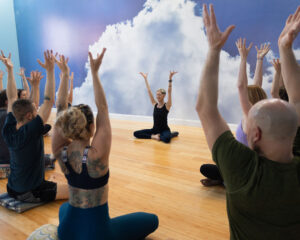
Adaptive yoga is an inclusive, person-centered approach that creates accessible yoga practices for individuals of all abilities and support needs. For me, adaptive yoga is more than a “teaching method” or “style” of yoga. It is my heart’s work and an opportunity to share yoga with all people, regardless of their ability, so they can connect with their mind, body, and spirit.
To empower the people we serve through yoga, we need the knowledge, skills, and adaptability to create practices that honor each individual’s strengths and support needs in a safe way. This is how we make yoga inclusive!

Adaptive Yoga vs Inclusive Yoga
The terms adaptive yoga and inclusive yoga are often used interchangeably, but they aren’t exactly the same thing.
Inclusive is the intention of creating a space where every person feels welcomed and a sense of belonging. You can think of inclusion as the feeling you want to cultivate.
Adaptive is the learned skills and practices we implement to bring inclusion to life. You can think of adaptive as a skill set.
There are many types of inclusive yoga offerings, such as chair yoga, LGBTQIA+ yoga, financially supportive yoga, kids’ yoga, and ASL yoga. In order to make these classes truly inclusive for these populations, there are specific skills and practices that help best support the people you serve.
One of the ways I bring these adaptive skills into practice is through my work with individuals with intellectual, developmental, and physical disabilities (IDD).

Adaptive Yoga for those with IDD (intellectual, developmental, and physical disabilities)
Through working with individuals with intellectual and developmental disabilities (IDD), I have seen how powerful yoga can be when the practice is adapted to the person rather than asking the person to adapt to the practice.
IDD can include, but is not limited to, autism, neurodivergence, cerebral palsy, down syndrome, processing differences, and more. Individuals with IDD may also have co-occurring diagnoses or physical disabilities.These varied diagnoses can impact functional movement, mobility, emotional regulation, communication, speech, and many other aspects of daily life.
Because every individual has different needs, it is important that we have a toolbox of adaptations we can draw from in the moment to best support our clients. Three (of so many!) aspects to consider are:
Taking sensory considerations into account:
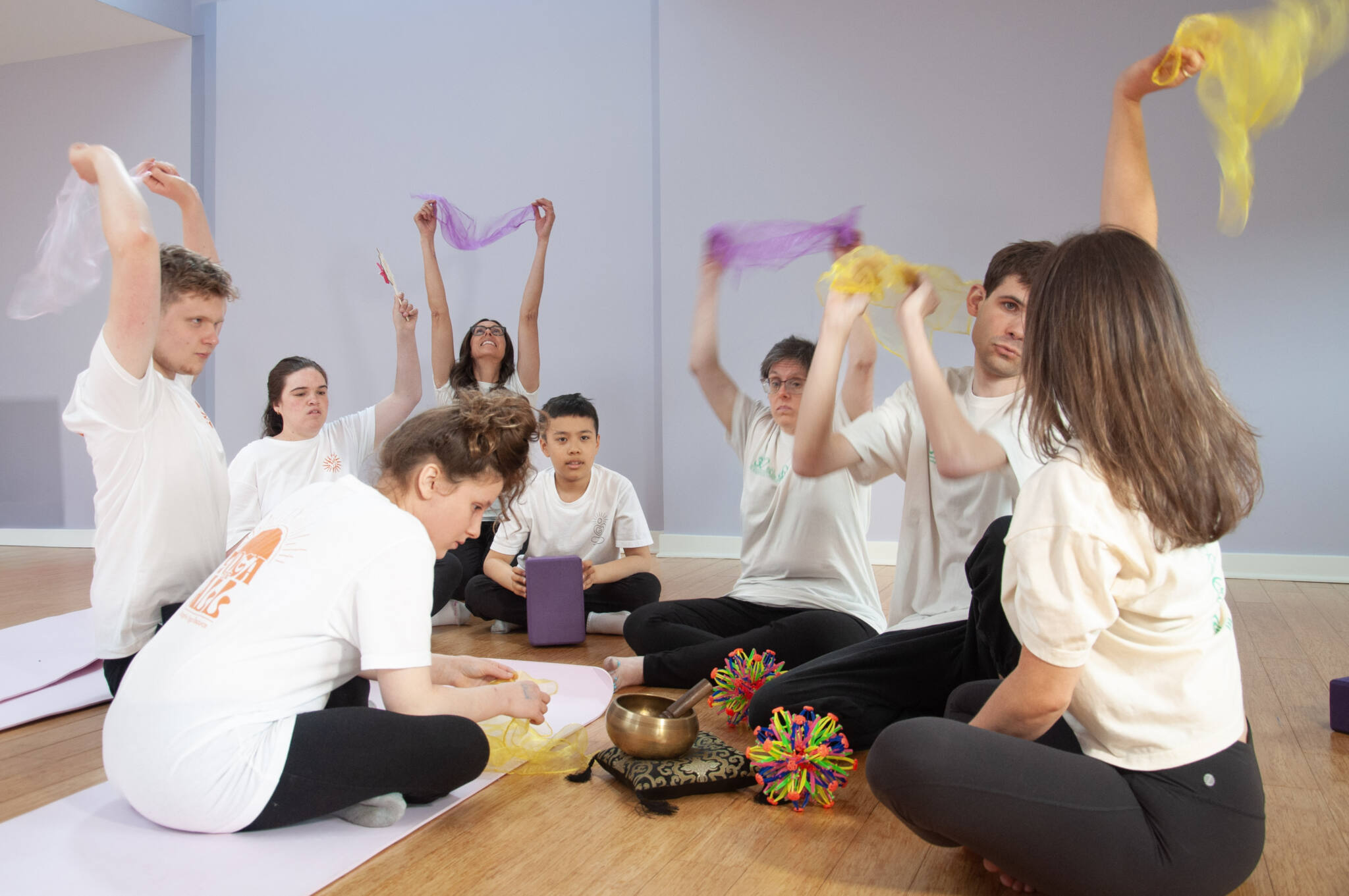
- Offering a variety of props and considering their textures.
- Being mindful of scents, such as incense or sage.
- Considering lighting and lighting quality.
- Being aware of sounds and noise levels with music.
Supporting different learning and communication styles:
- Support students who communicate without spoken language by using visual supports, AAC devices (allows users to communicate by pressing pictures, symbols, or words that generate speech), pictures, and other communication tools.
- Demonstrate postures in both seated and standing variations.
- Provide a visual schedule or photo sequence to support predictability and transitions.
- Use empowering, choice-based cues, and avoid limiting language such as, “If you can’t, you can…”
Most importantly: Safety comes first.
Before teaching, ask yourself:
- Is the physical space accessible for my students? Please note- just because something is ADA compliant does not mean it is suited for your population!
- Do I have enough support staff or other teachers available?
- Are there any behavioral, medical, or mobility considerations I should be aware of?
When these supports are taken into account, our students have the opportunity to explore emotional regulation, functional movement, confidence, independence, and empowerment through yoga.
One way to better support diverse populations is by following the ADAPT Approach, which provides practical strategies for creating yoga experiences that are more inclusive and empowering.

Following the ADAPT Approach
By following this approach, you can apply these principles to your teaching and begin making your yoga classes more inclusive and accessible.
A: Assess Your Offering
Creating an inclusive yoga space starts with how you market and share your yoga offerings!
- Clearly communicate what students can expect and who your classes are designed for.
- Ensure your space is physically accessible for your population.
- Example: Is there a wheelchair accessible bathroom?
D: Develop Understanding
Every student brings different strengths into each session. Taking the time to build rapport with your students will allow you to best support and serve them.
- Learn the names and preferred pronouns of not only your students but also any caregivers who assist them.
- Ask mindful questions to better understand how to support your students.
- Example: “Do you prefer to practice in your wheelchair or on the ground?”
- Example: “Do you like the smooth yoga mat, or the textured yoga mat?”
A: Adapt the Experience
There is no one “right” way to practice yoga.
- Offer multiple communication options. This can include showing pictures and visual aids, providing verbal instructions, and demonstrating movements as you speak.
- Teach function instead of form. Understand that there is not one “right” way to practice a pose. If all of your students are practicing in different ways, you can still take a breath together, regardless of what everyone’s yoga shapes look like.
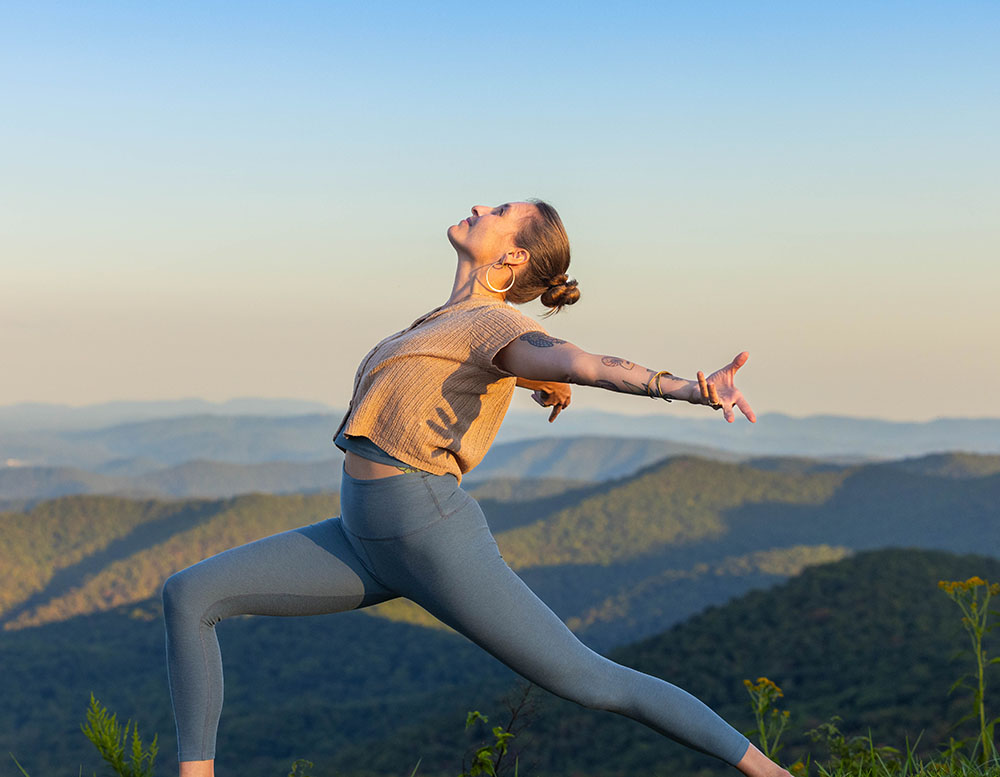
- Example: Crescent Moon Pose can be practiced from a seated, standing, or lying-down position. Everyone in your class can practice a different variation while still breathing together.
- Example: Showing a visual picture of the yoga pose in addition to demonstrating.
P: Promote Choice
Choice creates empowerment and connection!
- Take a “challenge by choice” approach by providing multiple options and opportunities to explore the same pose and breath.
- Utilize mindful cueing practices.
- Example: Be mindful of cues such as, “If you can’t, you can…” or referring to one variation as “the fullest expression.”
T: Teach with Curiosity
Inclusive teaching is a lifelong learning process. Taking time for self-inquiry and reflection will not only support your growth as a teacher but will also help you better serve your students.
- Reflect after every class.
- Listen to the lived experiences of your students.
- Stay open to feedback.
- Stay curious!
- Example: Keep a teaching journal for your personal reflections and adaptations.
Continue Your Journey in Adaptive Yoga
Adaptive yoga is about staying curious and developing the skills needed to create accessible experiences for every student who enters your class.
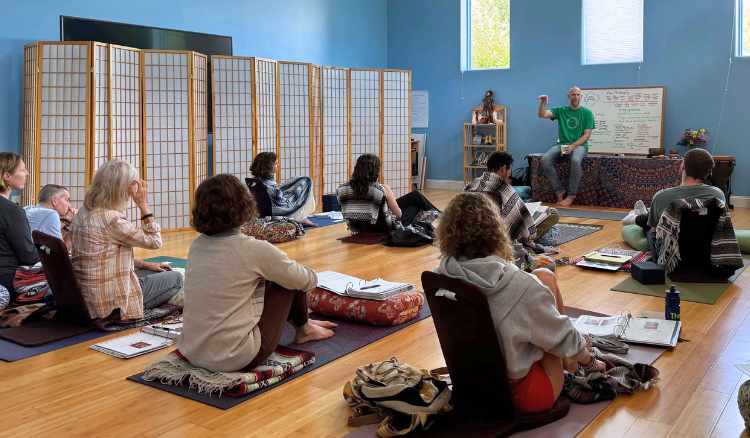
At the Adaptive Yoga Resource we are dedicated to leading a global movement to make yoga truly inclusive for individuals with intellectual, developmental, and physical disabilities. Through education and practice, AYR empowers individuals with disabilities, caregivers, and educators with the tools and methods needed to adapt yoga in ways that empower all minds, bodies, and spirits. We will make this come to life in our upcoming training at Asheville Yoga Center!

If you feel called to deepen your knowledge I would love for you to join me:
August 7–9, 2026, for Adaptive Yoga Training: Empowering Every Body Through Adaptive, Inclusive Yoga.
Together, we can continue expanding access to yoga, one teacher, one class, and one community at a time.